Why it’s different in South Florida
South Florida is one of the few places in the U.S. where both invasive Formosan and Asian subterranean termites are established. Their colonies can reach into the millions, and they swarm in spring — usually at dusk, toward lights. Drywood termites live entirely inside wood, which is why the first sign is often a small pile of pellets on a windowsill.
Signs to look for
- Pencil-width mud tubes on slab edges, walls or pipes
- Discarded wings on sills after a spring evening
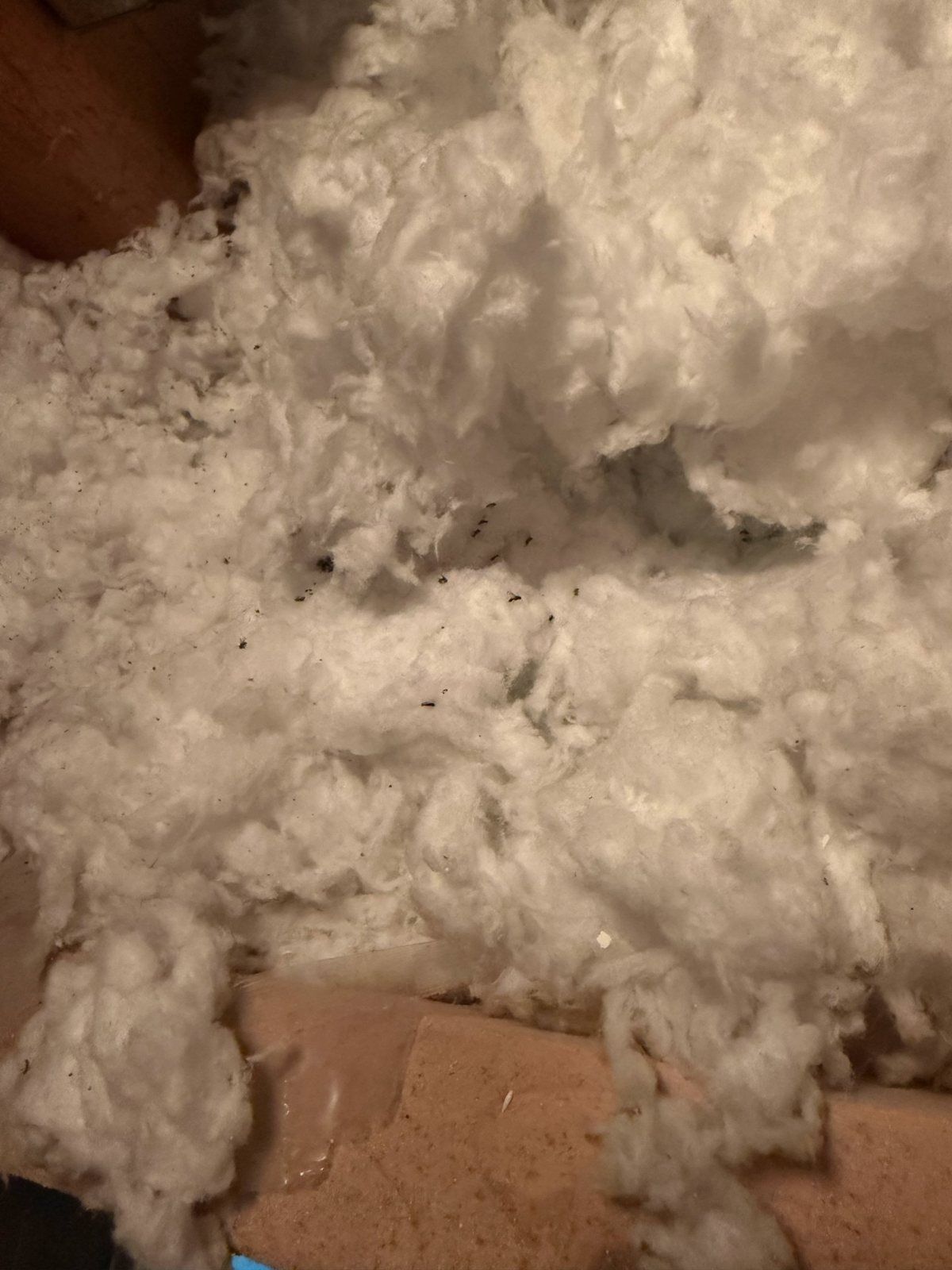
- Small, gritty pellets below wood trim or furniture
- Wood that sounds hollow when tapped
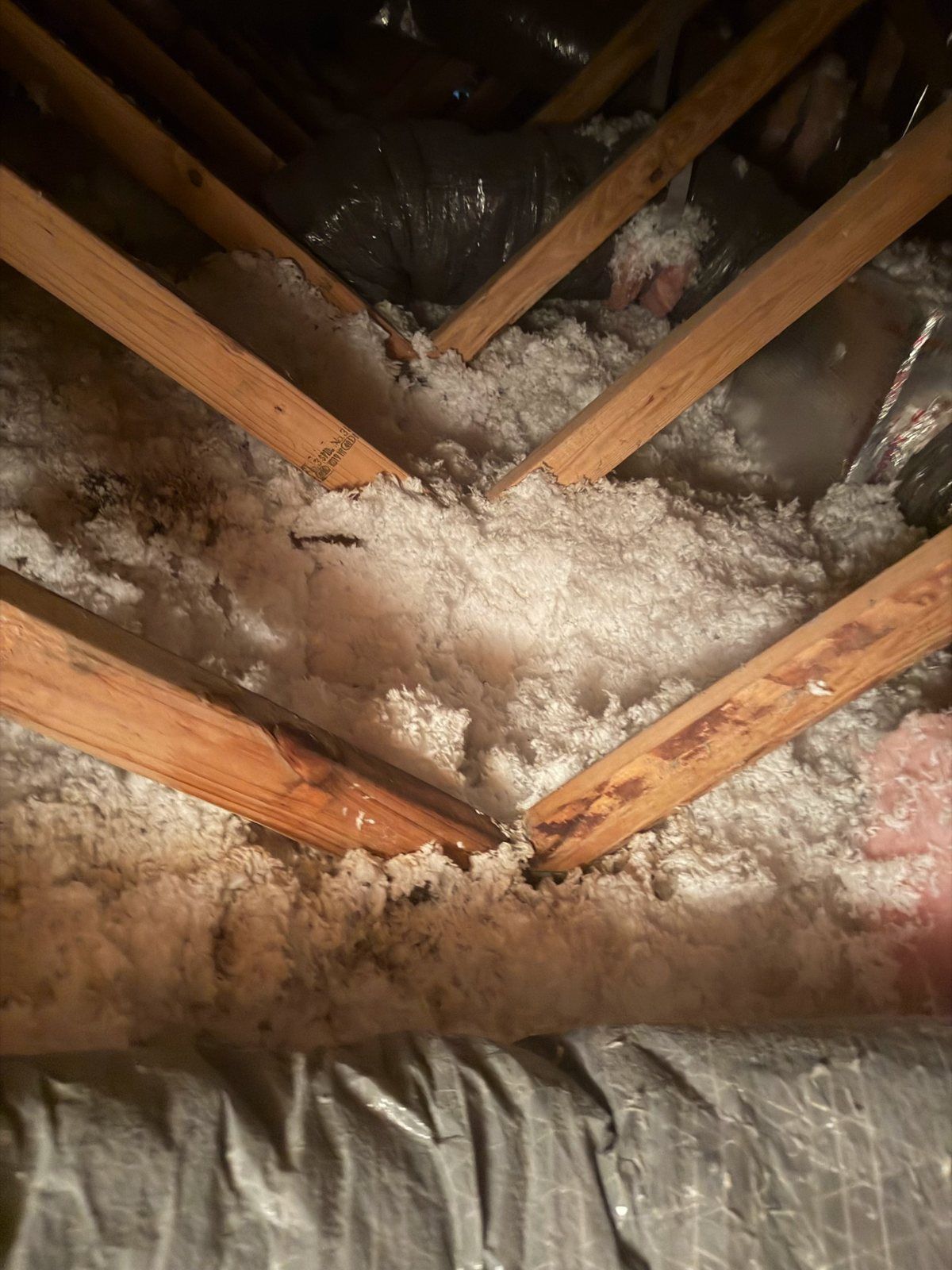
From a real MZ inspection
What a real inspection finds
Drywood termites leave droppings, not mud tubes. These came from a South Florida attic David inspected.
How MZ handles it
We inspect, identify which termite you have, and treat the colony. Ask about our tentless termite treatments — many homes don’t need to be tented.
Home plans are no-contract. Holiday special: new customers get 15% off their first service, through January 1.
What we treat
- Formosan subterranean termites
- Asian subterranean termites
- Drywood termites
Common questions
Do I need to tent my house to treat termites?
Not necessarily. Ask us about our tentless termite treatments — we’ll inspect and tell you what your home actually needs.